mirror of
https://github.com/wahyd4/one-knowledge.git
synced 2026-08-09 05:06:40 +10:00

136 lines
4.0 KiB
Markdown
136 lines
4.0 KiB
Markdown
---
|
||
title: Software Design
|
||
created: 2020-04-08
|
||
updated: 2020-04-08
|
||
type: summary
|
||
tags: [tech, reference]
|
||
external: https://github.com/wahyd4/knowledge/blob/master/categories/software-design.md
|
||
---
|
||
|
||
|
||
## Refactoring
|
||
|
||
- when to refactor
|
||
|
||
- long method
|
||
- too many parameters
|
||
- duplicated code
|
||
- large class
|
||
- too many if else or case when
|
||
- temporary variable
|
||
- coupling
|
||
|
||
## OOP
|
||
|
||
Object-oriented programming (or OOP) is a paradigm or pattern of programming whereby the solution to a programming problem is modelled as a collection of collaborating objects. Objects collaborate by sending messages to each other. It is most suitable for managing large, complex problems.
|
||
|
||
The four principles of object-oriented programming are
|
||
- `encapsulation` Object encapsulates data and the functions that operate on that data
|
||
- `abstraction` You don't need to what happened under the hood, just know how to use the public methods is enough.
|
||
- `inheritance` Sharing common behaviours
|
||
- `polymorphism` `Polymorphism means that when an object receives a message, the correct method is called, based on the object’s class. That method may belong to the parent, or it may be one that is customized for this class.`
|
||
|
||
- Polymorphism
|
||
- Code to interface, not an implementation
|
||
|
||
- Composition over inheritance
|
||
|
||
- objects have high cohesion and low coupling with other objects
|
||
- Duck typing
|
||
|
||
- SOLID
|
||
|
||
- Single responsibility
|
||
- Open/Closed
|
||
- Liskov substitution
|
||
- Interface segregation
|
||
- Dependency inversion
|
||
|
||
## Functional programming
|
||
|
||
- pure functions
|
||
|
||
- giving a same input, always return same output
|
||
- produce no side effects
|
||
- reply on no external mutable state
|
||
- function composition
|
||
- avoid share state
|
||
- avoid mutating state
|
||
- avoid side effects
|
||
|
||
|
||
## Serverless
|
||
|
||
- Lambda
|
||
|
||
- A **lambda** is just an anonymous function - a function defined with no name
|
||
|
||
## Closure
|
||
|
||
- a function value that references variables from outside its body
|
||
- In Javascript, not all anonymous function are lamdba, and vise verse
|
||
|
||
## Event Sourcing
|
||
|
||
### Kafka
|
||
|
||
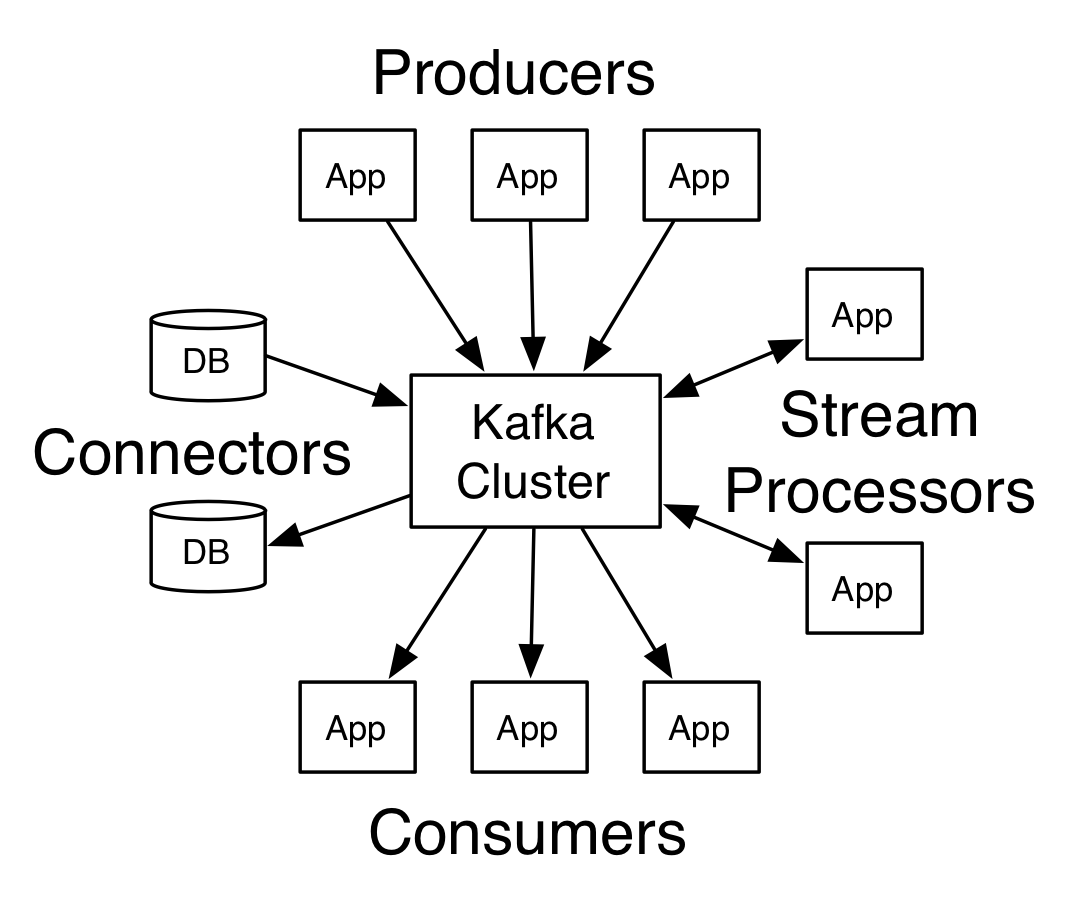
Apache Kafka is a distributed streaming platform
|
||
|
||
|
||
|
||
There are 4 core APIs in kafka:
|
||
|
||
* Producer API
|
||
* Consumer API
|
||
* Streams API
|
||
* Connector API
|
||
|
||
## Command Query Responsibility Segregation (CQRS)
|
||
|
||
Every changes you made to the system is a event, events are been persisted and can be replayed to generate the materialized view.
|
||
|
||
In his book "Object Oriented Software Construction," Betrand Meyer introduced the term "Command Query Separation" to describe the principle that an object's methods should be either commands or queries. A query returns data and does not alter the state of the object; a command changes the state of an object but does not return any data. The benefit is that you have a better understanding what does, and what does not, change the state in your system.
|
||
|
||
**More**:
|
||
|
||
- [Reference 2: Introducing the Command Query Responsibility Segregation Pattern](https://msdn.microsoft.com/en-us/library/jj591573.aspx)
|
||
|
||
## UML
|
||
|
||
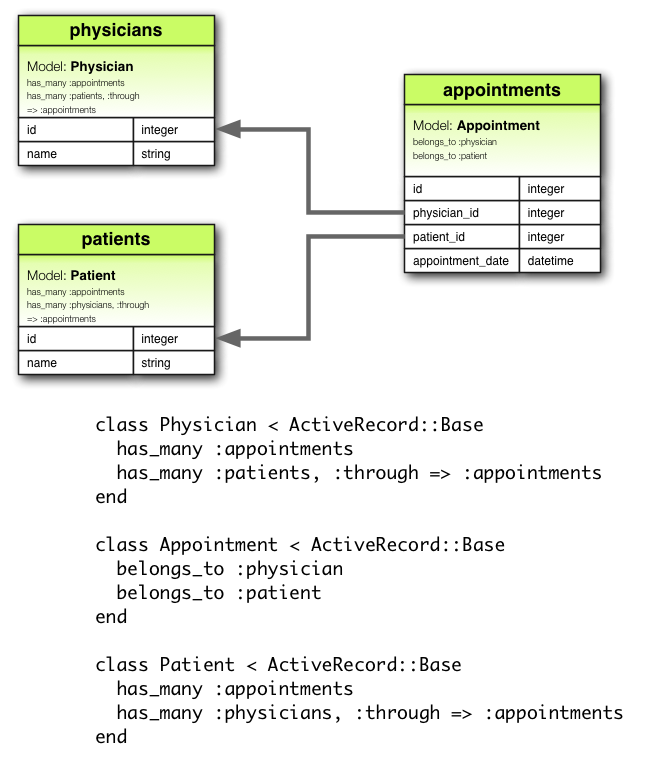
- many_to_many
|
||
- one to many
|
||
|
||
|
||
|
||
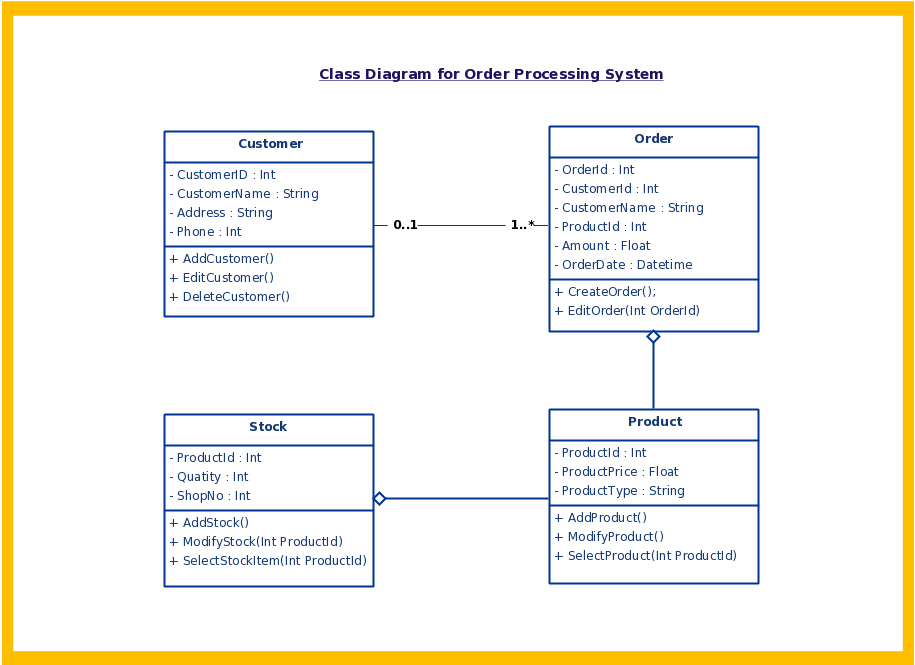
### One UML example
|
||
|
||
|
||
|
||
|
||
## Java Design pattern
|
||
|
||
- [https://github.com/iluwatar/java-design-patterns](https://github.com/iluwatar/java-design-patterns)
|
||
|
||
|
||
## How to do Data Migration
|
||
|
||
1. Add logic to support both new and old data structures
|
||
|
||
2. Add Logic should read both old and new data but only write data to new schema/structure
|
||
|
||
2. Then migrate the old data schema to new one
|
||
|
||
3. Last, delete the logic which handle the old data schema.
|
||
|
||
|
||
## Some tips
|
||
|
||
- concurrency vs parallelism
|
||
|
||
- parallelism
|
||
- doing a lot of things at once
|
||
- about exection
|
||
- concurrency
|
||
- dealing with lots of things at once
|
||
- about structure
|